Inflation is a term we hear often, but what does it really mean? And how does it impact your everyday life and long-term financial goals? In this guide, we’ll provide inflation explained in simple terms, discuss what is inflation, and explore how inflation affects finances—so you can make informed decisions and protect your purchasing power.
What Is Inflation?
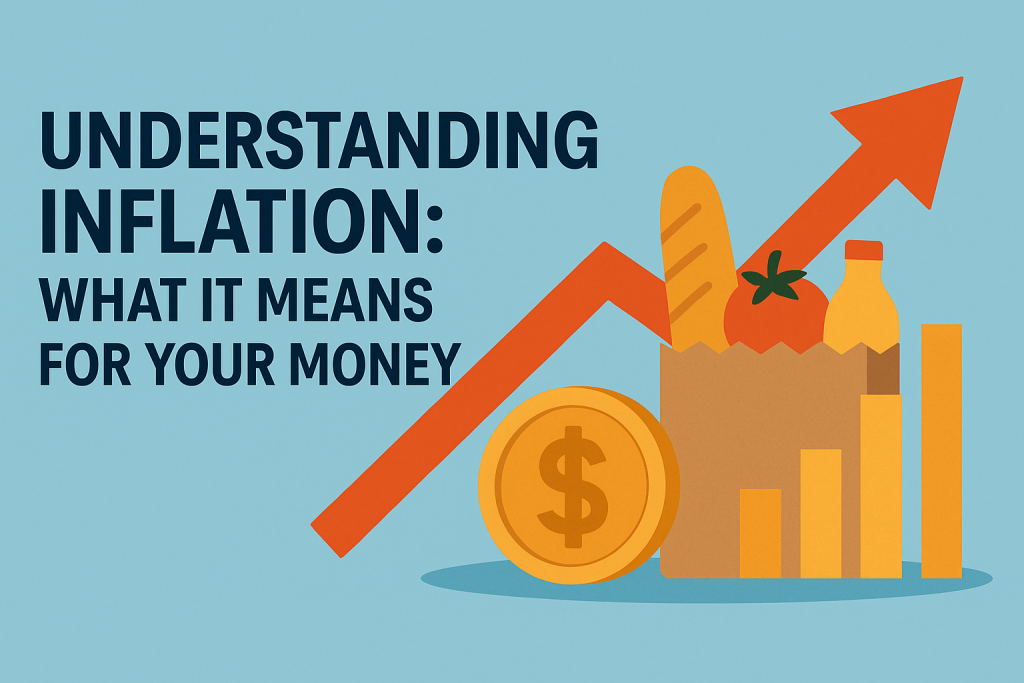
Inflation is the rate at which the general level of prices for goods and services rises over time, reducing the purchasing power of money. In other words, as inflation increases, the same amount of money buys fewer items than before. Inflation is usually expressed as an annual percentage—when inflation is at 3%, for example, prices are generally 3% higher than they were the previous year.
Causes of Inflation
Inflation can result from various factors, including:
- Demand-pull inflation: When demand for goods and services exceeds supply, prices tend to rise.
- Cost-push inflation: When the cost of producing goods increases (like higher wages or raw material costs), businesses pass those costs onto consumers.
- Monetary policy and money supply: Central banks may adjust interest rates or the money supply, impacting inflation levels.
How Inflation Affects Your Finances
1. Reduced Purchasing Power
One of the most immediate effects of inflation is that your money loses value over time. What you could buy for $100 last year may cost $103 this year, assuming a 3% inflation rate. This can erode your ability to save, invest, or maintain your standard of living.
2. Impact on Savings and Investments
Inflation can eat into the returns on your savings and investments. If your savings account earns 2% interest but inflation is 3%, you’re effectively losing purchasing power. That’s why it’s important to invest in assets that historically outpace inflation, like stocks or real estate.
3. Changes in Interest Rates
Central banks, like the Federal Reserve, often adjust interest rates to control inflation. Higher interest rates can slow inflation but also increase borrowing costs, affecting mortgages, loans, and credit cards. Conversely, low interest rates may stimulate the economy but can also fuel higher inflation.
How to Protect Your Finances from Inflation
1. Invest for Growth
To preserve your purchasing power, consider investing in assets that tend to outperform inflation over time. These include stocks, real estate, inflation-protected securities (like TIPS), and commodities. Diversifying your investments is key to managing risk while aiming for growth.
2. Budget with Inflation in Mind
Review and adjust your budget regularly to account for rising prices. Focus on essential expenses, look for ways to reduce discretionary spending, and seek out value wherever possible. Staying aware of price changes can help you make smarter financial choices.
3. Plan for Long-Term Goals
Inflation can impact long-term financial goals like retirement. When planning, factor in an expected inflation rate to ensure your savings will support your future lifestyle. Use calculators and tools to estimate how much you’ll need and adjust your savings strategy as necessary.
Final Thoughts
Understanding what is inflation and how inflation affects finances is crucial for maintaining your financial health. By staying informed, investing wisely, and budgeting carefully, you can protect your purchasing power and build a stronger financial future. Remember, while you can’t control inflation, you can control how you prepare for it—and that makes all the difference.